
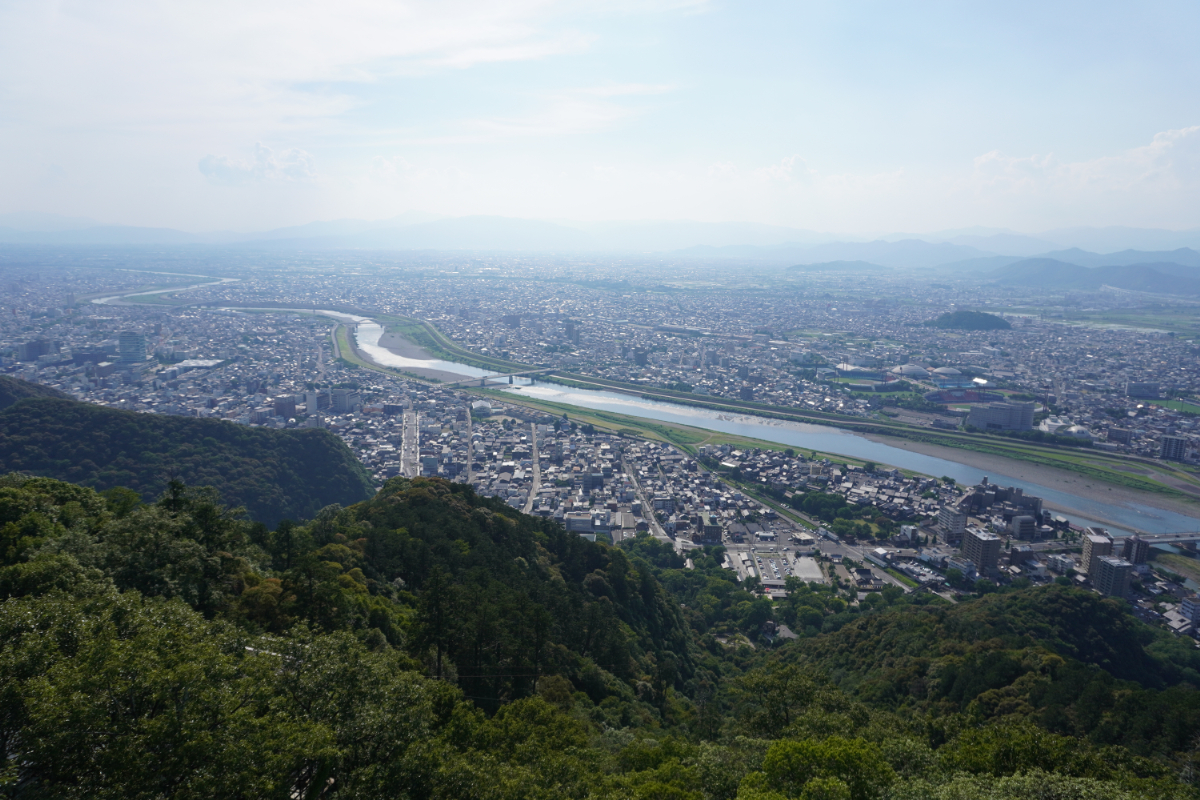
As evening begins to settle along the Nagara River, the time before ukai begins can become part of the journey itself.
Just a short walk from the ukai viewing boat pier, you will find Kawaramachi, a historic riverside district lined with traditional townhouses; Gifu Park at the foot of Mt. Kinka; and scenic spots around the mountain where you can look out over the Nagara River. Together, these places offer a glimpse of old Japanese townscapes and the everyday life that has long continued along the river.
Walk through quiet old streets while feeling the breeze from the clear Nagara River. Taste local sweets, ayu sweetfish dishes, and regional flavors that have been loved in Gifu for generations.
This is more than simply visiting tourist spots.
It is a way to slow down and feel the history, landscape, and daily life that have shaped this riverside area.
In this article, we introduce places to visit before and after seeing Nagaragawa Ukai, along with local foods and experiences to enjoy around the viewing area.
To make your ukai evening even more memorable, arrive in Gifu a little early and take time to walk around the Nagara River area.
Kawaramachi: A Historic Riverside Townscape with the Atmosphere of Old Japan
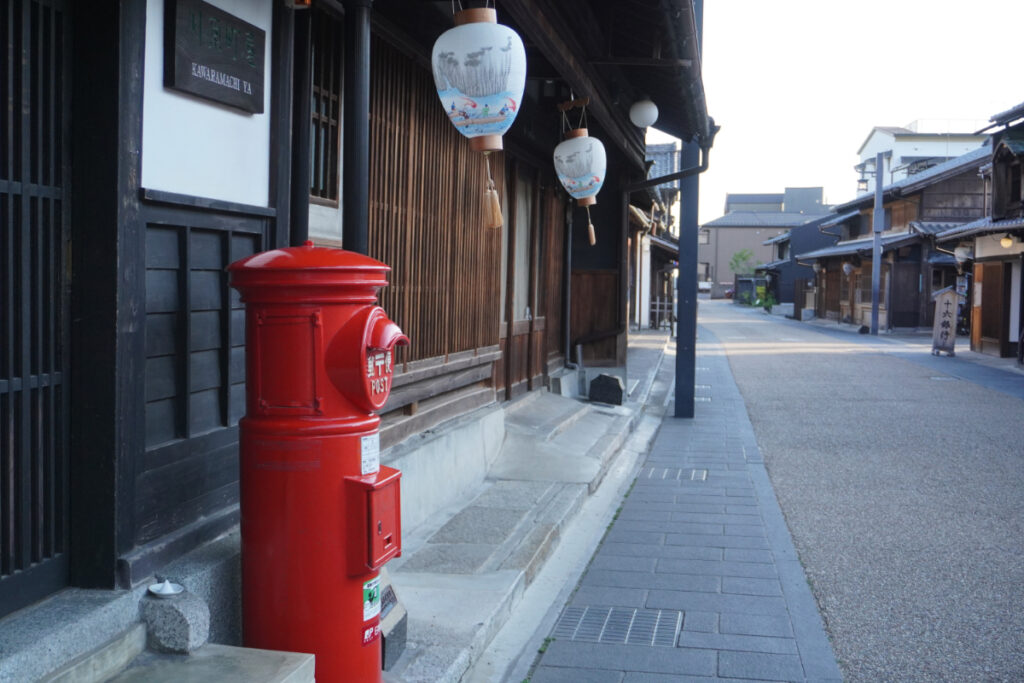
If you are going to see Nagaragawa Ukai, Kawaramachi is one of the best places to walk before boarding the viewing boat.
Located on the south side of Nagarabashi Bridge, close to the ukai viewing boat pier, Kawaramachi is a historic riverside district that still preserves the atmosphere of an older Japan.
The streets are lined with traditional Japanese townhouses. Many have narrow fronts, deep interiors, and pale wooden latticework facing the street. Kawaramachi once flourished as a riverside town supported by water transport on the Nagara River.
In the past, boats carried goods along the river, merchants gathered here, and shops dealing in paper, lumber, and other goods stood side by side. Even today, traces of that time remain throughout the district.
Kawaramachi is not a loud or flashy tourist area.
Instead, it is a quiet old town where you can feel the daily life and history that have continued along the Nagara River.
As you walk past the lattice-fronted houses, you may feel as if you have stepped into an older Japanese townscape.
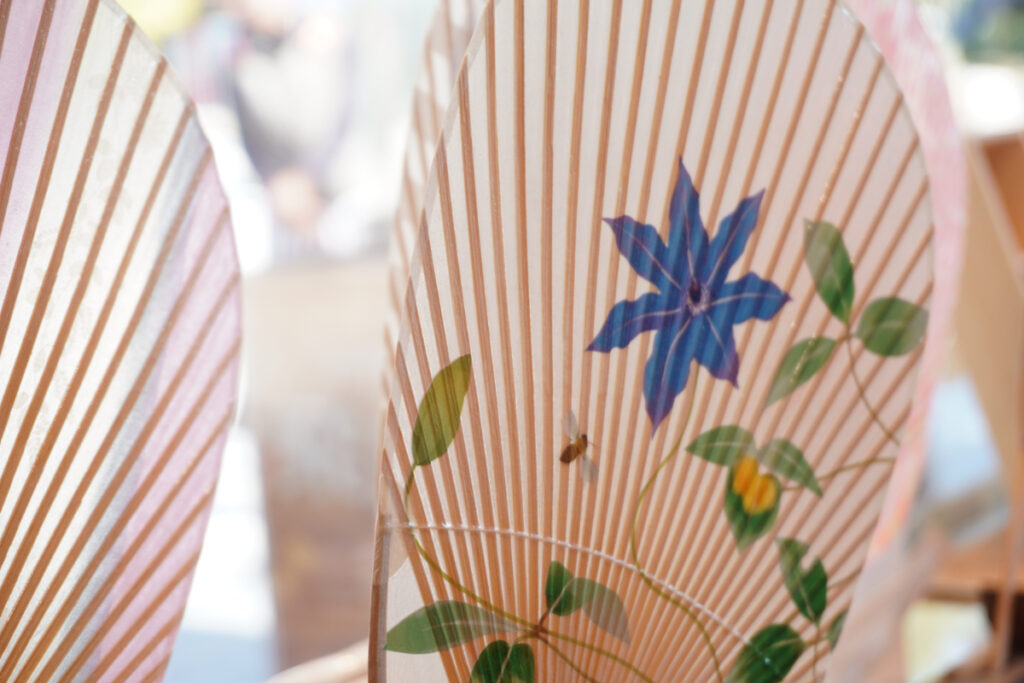
Today, Kawaramachi is home to shops selling Gifu’s traditional crafts, including Gifu uchiwa fans, as well as Japanese confectionery shops known for ayu-shaped sweets, restaurants serving Nagara River sweetfish, cafés, and stores set inside renovated townhouses.
Before ukai begins, visit a little early and take time to feel the river breeze, taste local flavors, and discover Gifu’s craftsmanship.
This simple walk can make your ukai experience feel more closely connected to the history of this place, rather than something you only watch from a boat.
Gifu Park: Discover the History of a Castle Town at the Foot of Mt. Kinka
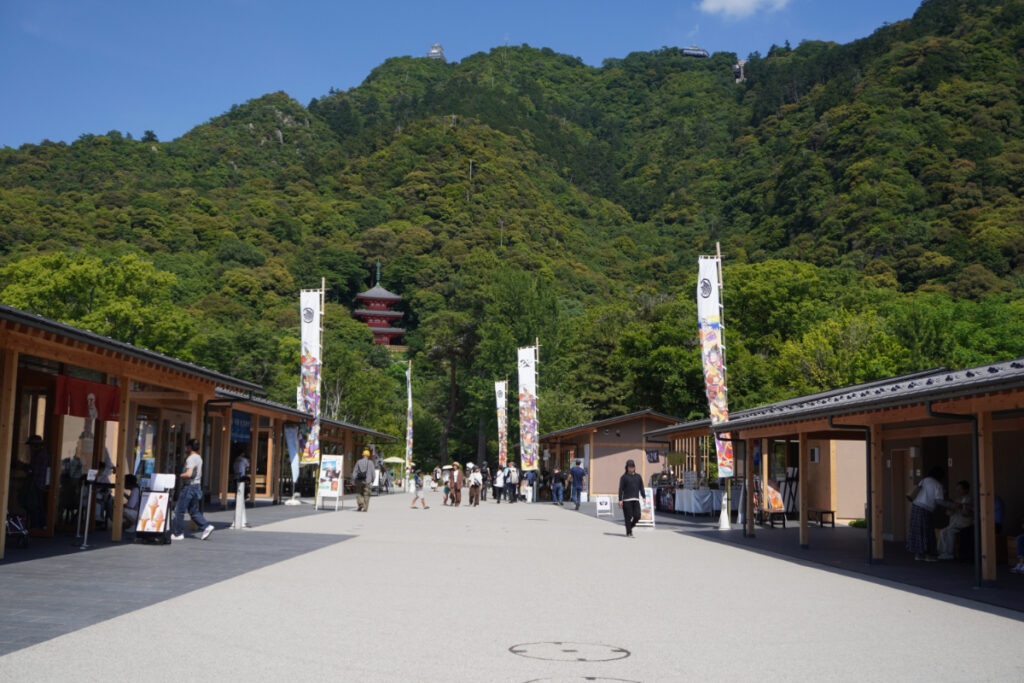
If you have time, walk a little farther from Kawaramachi to Gifu Park, located at the foot of Mt. Kinka.
Gifu Park sits between the clear Nagara River and Mt. Kinka, where Gifu Castle stands near the summit. It is one of the most symbolic places to explore in Gifu.
Inside the park, you will find the remains of a residence and garden connected to Oda Nobunaga, one of the most important samurai warlords of Japan’s Warring States period. The Gifu City Museum of History is also located here, making the park a good place to learn how this area once flourished as a castle town.
It is a recommended stop not only for travelers interested in Japanese history, but also for rainy days or hot summer afternoons, when you may want to combine your walk with indoor spots such as the museum or tea space.
The park changes beautifully with the seasons: cherry blossoms in spring, fresh greenery in early summer, colorful leaves in autumn, and quiet snowy scenery in winter.
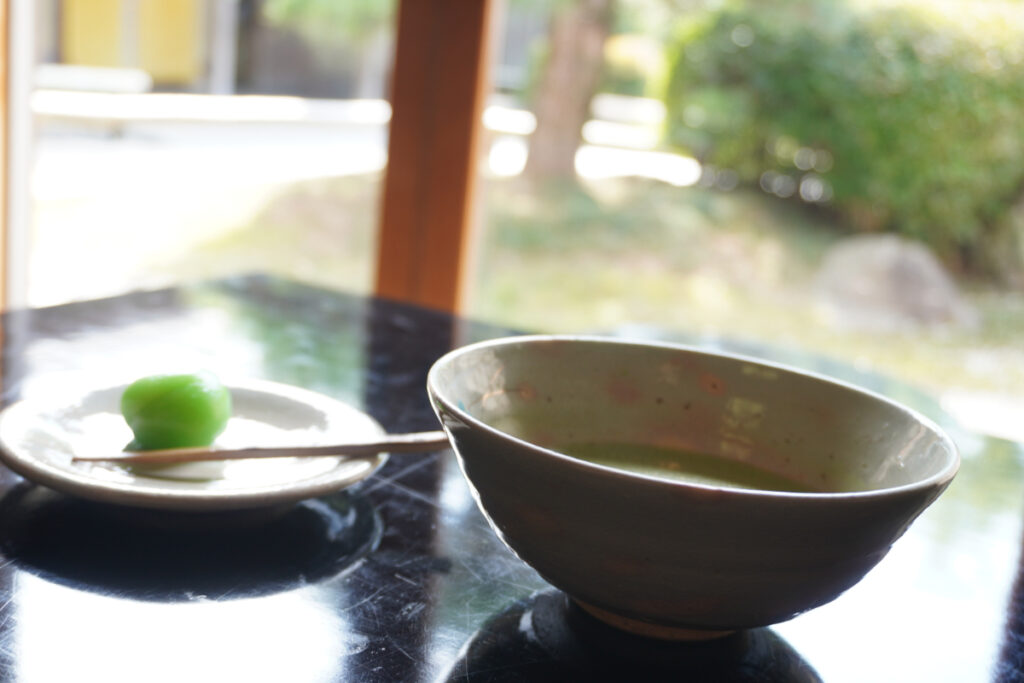
Inside the park, you can also enjoy matcha and Japanese sweets at a seated tea space. Because it uses a chair-style seating arrangement, even first-time visitors can enjoy an easy introduction to Japanese tea culture without knowing formal tea ceremony manners.
Access and Suggested Route
From the ukai viewing boat pier, Gifu Park is about a 10- to 15-minute walk.
If you are traveling from Gifu Station to Gifu Park, take a Gifu Bus bound for the Gifu Park or Nagarabashi area from bus stop 12 or 13 at JR Gifu Station, or from bus stop 4 at Meitetsu Gifu Station.
Get off at the “Gifu Koen / Gifu Castle” bus stop. Gifu Park is just a short walk from there. The bus ride from the station takes about 15 minutes.
A good route is to visit Gifu Park first, then walk through Kawaramachi in the late afternoon before heading to the ukai viewing boat pier. In this way, you can enjoy Gifu’s nature, history, old townscape, and Nagaragawa Ukai all in one journey.
Mt. Kinka Ropeway and Gifu Castle: A View Over the Stage of Ukai
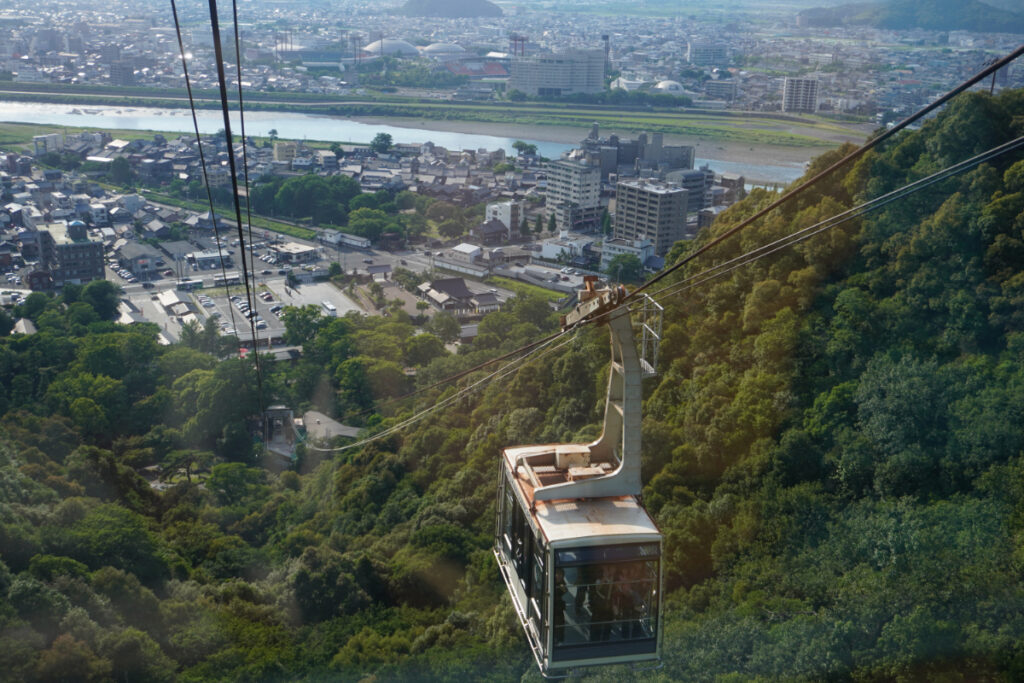
Once you arrive at Gifu Park, taking the Mt. Kinka Ropeway up toward the summit is also highly recommended.
The ropeway connects Gifu Park with the summit area of Mt. Kinka in about four minutes.
During this short ride through the air, the city of Gifu opens up below you. You can see the flow of the Nagara River and the mountains stretching into the distance.
Near the summit stands Gifu Castle, once used as an important base by Oda Nobunaga, one of the most famous samurai warlords in Japanese history.
Nobunaga, who ruled this area, may also have looked out over the Nagara River and the castle town from this mountain.
From around the castle, the view below brings together the lives of people in Gifu and the history of the town.
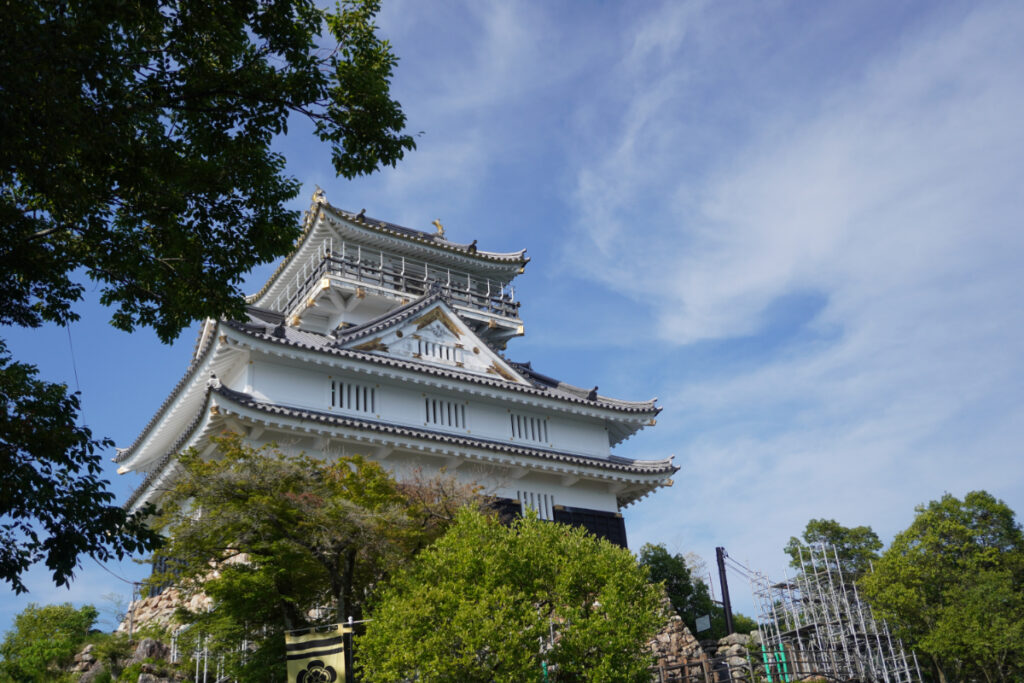
When you look down at the Nagara River from the Mt. Kinka Ropeway, you may realize that ukai is not simply a tradition performed on the river at night.
It is a culture that has been passed down together with the nature surrounding the Nagara River and the everyday lives of the people who live in this town.
Mt. Kinka Ropeway Hours and Fares
Notice of Closure
Gifu Castle Keep: Closed from May 19, 2026 to late October 2027, as currently scheduled.
Gifu Castle Museum: Closed from April 1, 2026 to late October 2027, as currently scheduled.
The reopening is scheduled for November 2027.
Around the summit station, you will also find the Gifu Kinkazan Squirrel Village, shops, and an observation restaurant, making it a nice place to rest while enjoying the view.
Nagaragawa Ukai Museum: A Side Trip for Those Who Want to Understand Ukai More Deeply
If you want to understand Nagaragawa Ukai more deeply, consider visiting the Nagaragawa Ukai Museum before your boat ride.
The museum introduces the history of Nagaragawa Ukai, as well as the meaning behind the tools, clothing, and movements used in the tradition.
You can learn how ukai has been passed down over generations, how the usho cormorant masters work together with the birds to catch ayu sweetfish, and what meaning lies behind the tools and costumes used during the performance.
These are details you may not notice simply by watching ukai from the boat.
Once you understand that each movement has a meaning, ukai changes from something you merely observe into something you can experience with a deeper sense of understanding.
Nagaragawa Ukai is held each year from May to October, so there are seasons when the actual boat viewing is not available. Even during the off-season, the Nagaragawa Ukai Museum offers exhibitions, videos, and events that allow visitors to experience the world of ukai.
It is also a good indoor option on rainy days or when outdoor sightseeing is difficult.
The movements of the usho, the relationship between the birds and their master, and the meaning of the firelight on the river — once you know the background, your experience of Nagaragawa Ukai will become even more memorable.
Access and Suggested Route
The Nagaragawa Ukai Museum is located a little away from the ukai viewing boat pier. It takes about 20 minutes to walk there, so it is best to allow enough time or take a taxi.
If you are traveling from Gifu Station to the Nagaragawa Ukai Museum, take a Gifu Bus from bus stop 11, 12, or 13 at JR Gifu Station, or from bus stop 4 at Meitetsu Gifu Station.
Take an N-line bus bound for the Nagarabashi area, or the counterclockwise City Loop Line.
Get off at the “Nagarabashi-kita / Ukaiya” bus stop. From there, it is about a 6-minute walk to the Nagaragawa Ukai Museum.
Depending on the route, you may also be able to use the “Ukai Museum-mae” bus stop. If you get off there, it is also about a 6-minute walk to the museum.
The bus ride from the station takes about 15 minutes.
A smooth route is to visit the Nagaragawa Ukai Museum first to learn about the history and culture of ukai, then return toward Kawaramachi and the ukai viewing boat pier.
Other Places to Enjoy Around Nagaragawa Ukai
There are also a few other places around the Nagara River that you can add to your trip before or after ukai.
Depending on your schedule, the weather, and your travel style, you can choose from indoor museums, quiet historic sites, or a hot spring stay where you can enjoy the lingering afterglow of ukai.
Gifu City Museum of History: An Easy Stop on Rainy Days
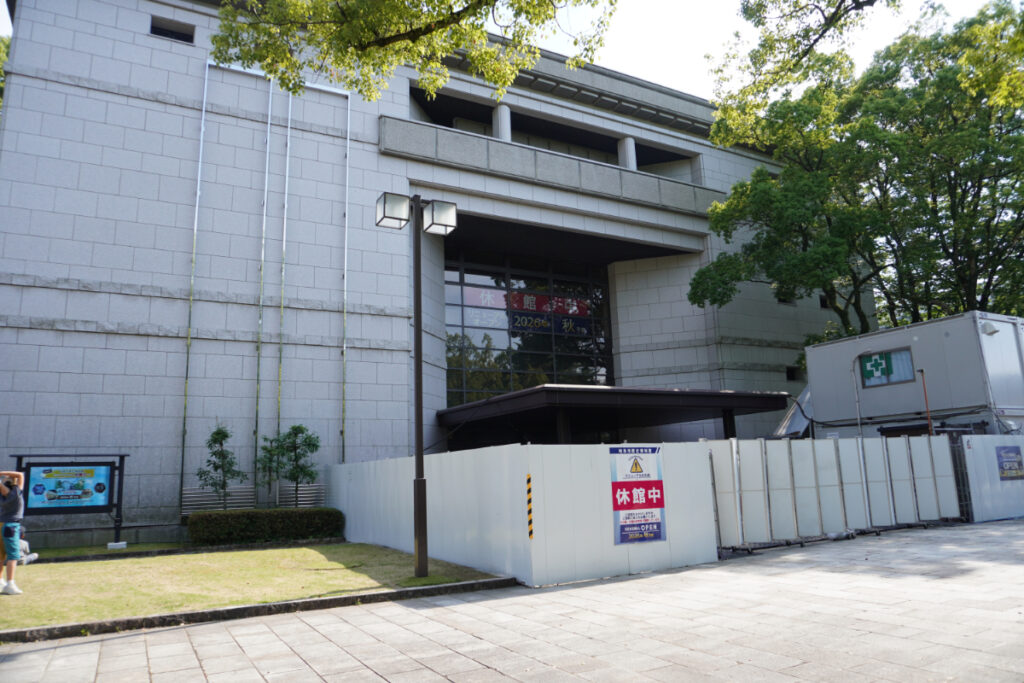
Inside Gifu Park, you will find the Gifu City Museum of History, which introduces the history and traditional crafts of Gifu.
Here, you can learn more about Gifu Castle, the castle town connected to Oda Nobunaga, and the culture that has developed in this area.
Because it is an indoor facility, it is a convenient place to visit on rainy days, hot days, or while taking a break during your walk through Gifu Park.
Gifu Great Buddha: A Quiet Historic Stop Near Gifu Park
A short walk from Gifu Park brings you to Shohoji Temple, home to the Gifu Great Buddha.
Unlike the Great Buddhas of Kyoto or Nara, the Gifu Great Buddha has a quiet, calm atmosphere that makes it a unique local landmark.
Before heading to Nagaragawa Ukai in the evening, it can be a peaceful place to pause and spend a quiet moment away from the busier sightseeing areas.
Stay Overnight at Nagaragawa Onsen and Enjoy the Afterglow of Ukai
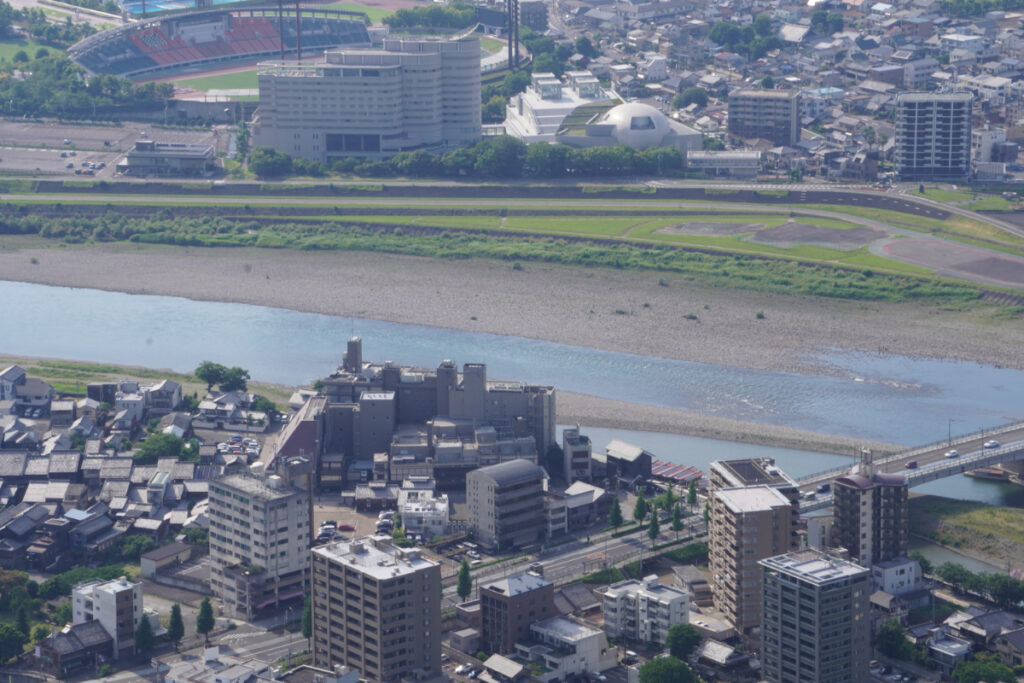
If you want to enjoy Nagaragawa Ukai at a slower pace, staying overnight at Nagaragawa Onsen is also recommended.
Nagaragawa Onsen is a hot spring area surrounded by the clear Nagara River and the greenery of Mt. Kinka. Around the ukai viewing boat pier, there are ryokan inns and hotels where you can relax after watching ukai in the evening.
After seeing the firelight flicker over the river, you can return to your inn and soothe your travel fatigue in a hot spring bath.
Instead of rushing back on a day trip, spend a night by the Nagara River and enjoy the lingering feeling of the ukai experience.
Walk through Kawaramachi and Gifu Park during the day, watch Nagaragawa Ukai at night, and then spend a quiet evening at your inn.
A stay at Nagaragawa Onsen can make your ukai-centered journey through Gifu feel deeper and more memorable.
A Local’s Recommended Half-Day Route Around Nagaragawa Ukai
As someone who lives in Gifu and loves the culture of Nagaragawa Ukai, this is the route I would recommend to a friend or family member visiting from far away.
I would want them to enjoy not only the boat ride itself, but also the hours before and after it.
Here is a half-day route that brings together Gifu’s nature, history, townscape, and ukai culture.
Half-Day Model Course
This route is designed for travelers who spend the morning traveling from Nagoya, Osaka, Tokyo, or an airport, then enjoy Gifu and Nagaragawa Ukai from the afternoon onward.
Afternoon: Visit Gifu Park at the Foot of Mt. Kinka
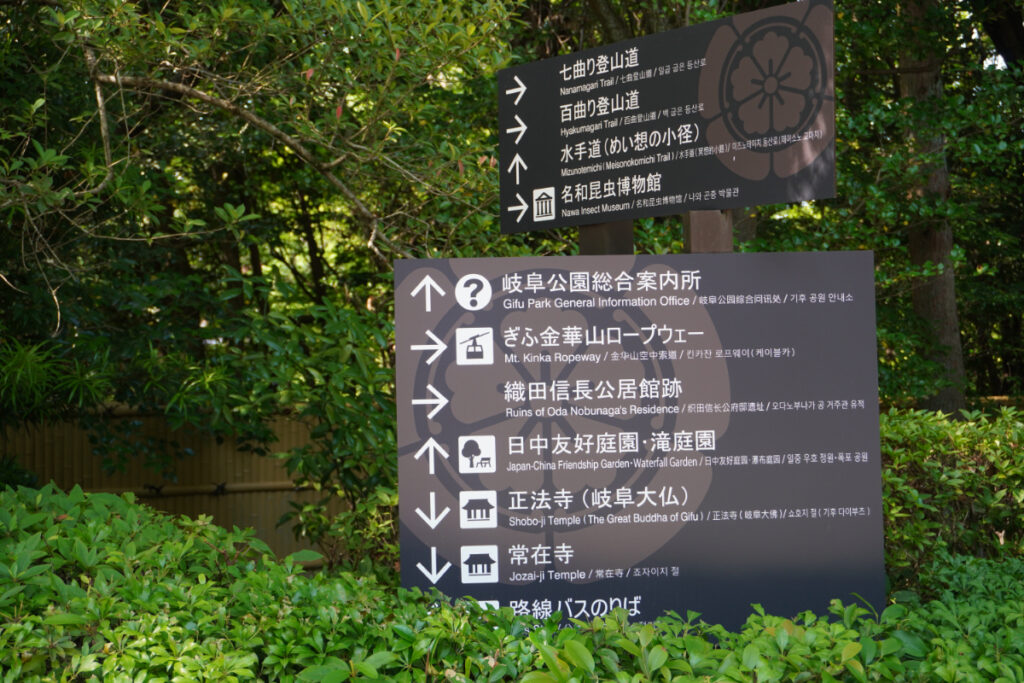
Depending on your mood, you can enjoy tea in the park, spend time at the Gifu City Museum of History, visit the Gifu Great Buddha for a quiet moment, or simply stroll through the park.
If you have extra time, take the Mt. Kinka Ropeway toward the summit and look out over the Nagara River and the city of Gifu.
If you have the whole day and the weather is good, hiking up Mt. Kinka to Gifu Castle is also a wonderful option.
Feel the breeze through the trees, take your time, and enjoy conversation with someone important to you as you walk toward the summit.
This is very different from reaching the top quickly by ropeway, and it allows you to feel Gifu’s nature with your whole body.
Since the route is a mountain trail, wear comfortable walking shoes and make sure you have enough time.
Late Afternoon: Walk Through Kawaramachi Near the Ukai Viewing Boat Pier
In Kawaramachi, where traditional townhouses with lattice doors line the streets, you can rest your feet after walking through Gifu Park and enjoy the quiet anticipation before ukai begins.
By taking in the atmosphere of the old townscape and tasting flavors unique to Gifu, the time before boarding the viewing boat becomes part of the travel memory itself.
You may also want to bring a traditional Gifu craft, the mizu uchiwa water fan, onto the viewing boat. As you feel the cool river breeze, it offers a quiet taste of a classic Japanese summer.
Night: Experience Nagaragawa Ukai
In the afternoon, you looked down at the Nagara River from above.
At night, you experience that same river from a boat, watching the firelit ukai unfold on the water.
Seeing the river from both perspectives makes the experience even more memorable.
Overnight Stay: Relax at Nagaragawa Onsen
After ukai, unwind at a nearby hot spring inn while the memory of the river and firelight is still fresh.
By staying overnight, you can enjoy Gifu’s nature, history, and culture at a more relaxed pace.
Conclusion: Enjoying the Hours Before and After Ukai Makes Your Trip to Gifu Deeper
Nagaragawa Ukai is already a moving experience simply by watching the cormorant boats illuminated by firelight.
But when you also walk through the old streets of Kawaramachi, explore the nature and history of Gifu Park, and look down at the Nagara River from the Mt. Kinka Ropeway, the experience becomes even richer.
Then, at night, you see ukai on the very river you looked at during the day — a tradition passed down for more than 1,300 years.
Through these experiences, Nagaragawa Ukai becomes more than sightseeing.
It becomes a cultural experience connected to Gifu’s nature, history, and the everyday lives of the people who live here.
If you have time, stay overnight at Nagaragawa Onsen and enjoy the lingering afterglow of ukai.
To make your ukai evening even more memorable, come to Gifu a little early and walk around the Nagara River area.